









Why a night-time routine isn't always enough to prepare the brain for rest
You cut out screens. You slow down. You have herbal tea, a book, a quiet room. And yet, your brain keeps spinning.
This isn't a failure of your evening routine. It's a biological reality that many people experience without knowing why.
Good evening hygiene helps. But for some profiles, it's not enough to trigger the shift towards rest. Understanding why changes the approach.
Why evening habits are important
The brain operates on a circadian rhythm, an internal biological clock of about 24 hours. In the evening, this clock gradually sends calming signals: decreased body temperature, reduced cortisol, and a natural rise in melatonin.
Good evening habits reinforce these signals:
Why they aren't always enough
Some people follow these recommendations to the letter yet still struggle to recover. This isn't a lack of discipline. It's often linked to factors that behavioral habits alone cannot correct.
A brain that has handled high cognitive, emotional, or decisional pressure remains in an activated state longer in the evening. The sympathetic nervous system doesn't automatically switch to parasympathetic mode the moment you lie down. To understand the mechanisms, consult our article on brain function and applied neuroscience.
The brain uses specific micronutrients to maintain the mechanisms involved in relaxation and rest. Learn more about functional brain nutrition.
When the sleep cycle has been disturbed for a prolonged period, evening habits take time to recalibrate the biological clock.
For people under chronic pressure, the baseline level of nervous activation is structurally high. Evening habits help to lower this level but do not necessarily bring it back to a point sufficient for qualitative recovery.
What applied neuroscience says
Sleep is not a pause. It is a biologically active phase during which the brain performs essential functions: consolidation of learning, elimination of metabolic waste via the glymphatic system, regulation of neuronal connections, and hormonal balance.
The quality of this phase directly depends on the biological conditions in which the brain enters sleep. A nervous system still under tension can compromise the depth and quality of recovery cycles, even if the sleep duration is sufficient.
Sources: Walker M. Why We Sleep. Scribner, 2017. / Xie L et al. Sleep drives metabolite clearance from the adult brain. Science, 2013.
The Deep Sleep approach: a cascade logic
Most sleep supplements aim to trigger sleep. Deep Sleep works differently. The formula supports the brain and body through the biological steps that naturally precede deep sleep, without added melatonin.
Ashwagandha KSM-66® Organic: Before resting, the brain needs to switch out of alert mode. Ashwagandha is documented for its role in supporting the response to accumulated daily stress.
Langade D et al., Medicine, 2019
Valerian and California Poppy: Valerian is studied for its role in soothing the nervous system. California Poppy supports this transition to a state of progressive relaxation.
Bent S et al., American Journal of Medicine, 2006 / Rolland A et al., Phytotherapy Research, 2001
Magnesium bisglycinate: contributes to the normal functioning of the nervous system and normal muscle function. Well tolerated, good absorption by the body.
Abbasi B et al., Journal of Research in Medical Sciences, 2012
Organic Reishi and Vitamin D3: Reishi is used in traditional Asian medicine to support nervous system balance. Vitamin D3 contributes to the normal functioning of the immune system.
HPMC vegetable capsules · No unnecessary excipients · Made in France · 2 capsules 30 to 60 min before bedtime
What MySynapz observes
Sleep is one of the first indicators to deteriorate under the effect of cognitive load. The MySynapz method integrates sleep tracking as a central indicator of cognitive diagnosis.
What is not observed cannot be adjusted.
Deep Sleep, MySynapz
Ashwagandha KSM-66® Organic · Valerian · California Poppy
Magnesium bisglycinate · Organic Reishi · Vitamin D3
Discover Deep SleepFrequently Asked Questions
A good routine sends consistent signals to the brain. But if the nervous system remains structurally tense, or if certain micronutrient needs are not met, habits alone are not always enough. This is precisely what targeted nutritional support can complement.
No. Deep Sleep is formulated without melatonin. This is a deliberate formulation choice: rather than directly providing the sleep hormone, the formula supports the biological steps that allow the body and brain to naturally return to their own resting conditions.
Natural active ingredients work gradually. Some studies on the active ingredients present in Deep Sleep document effects after several weeks of regular use.
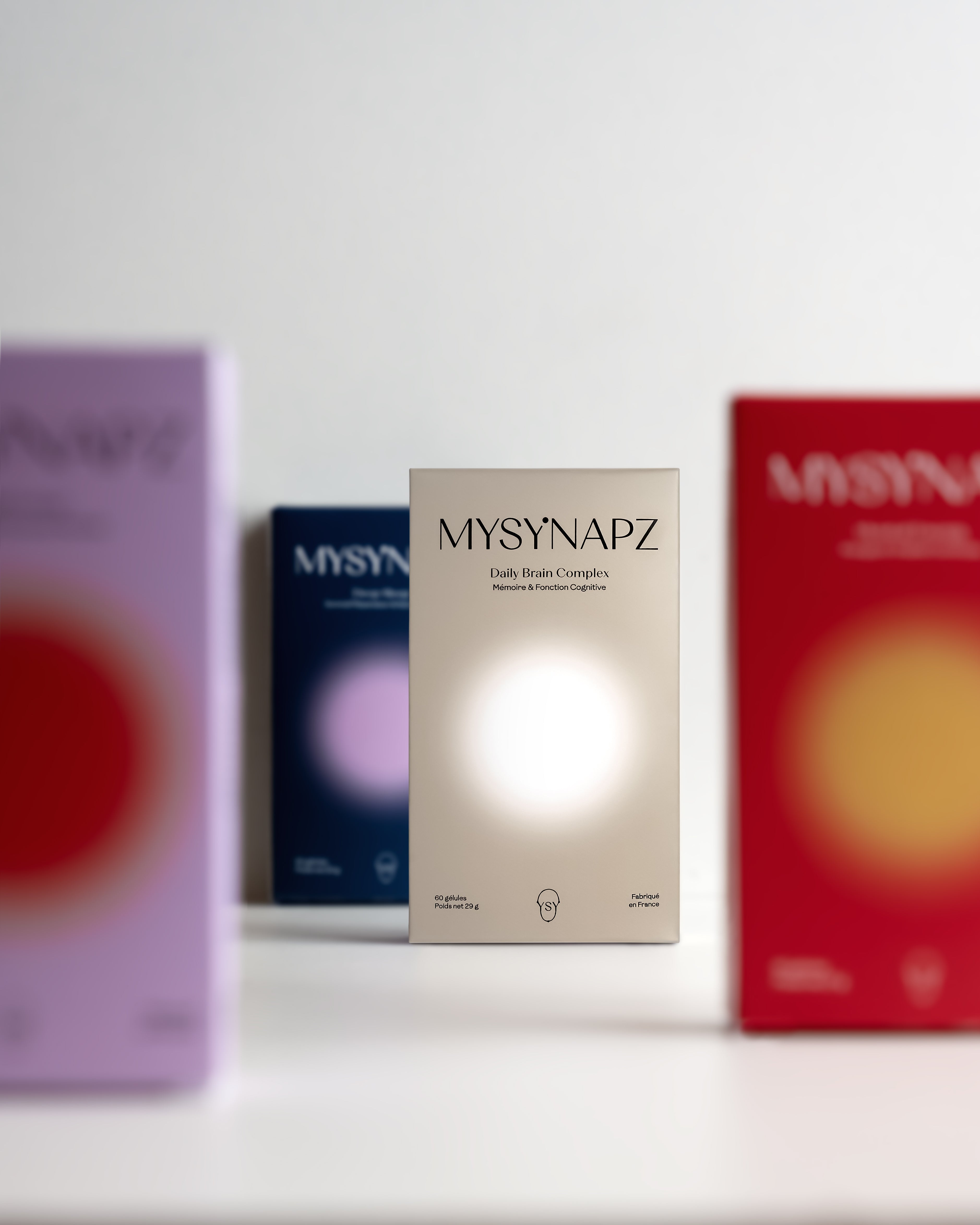
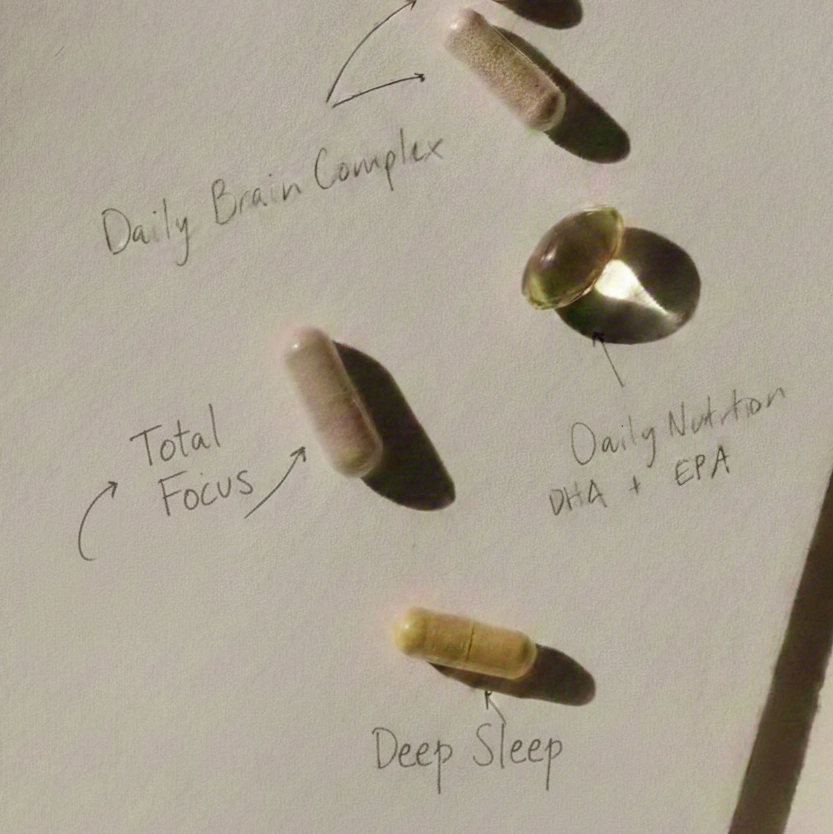
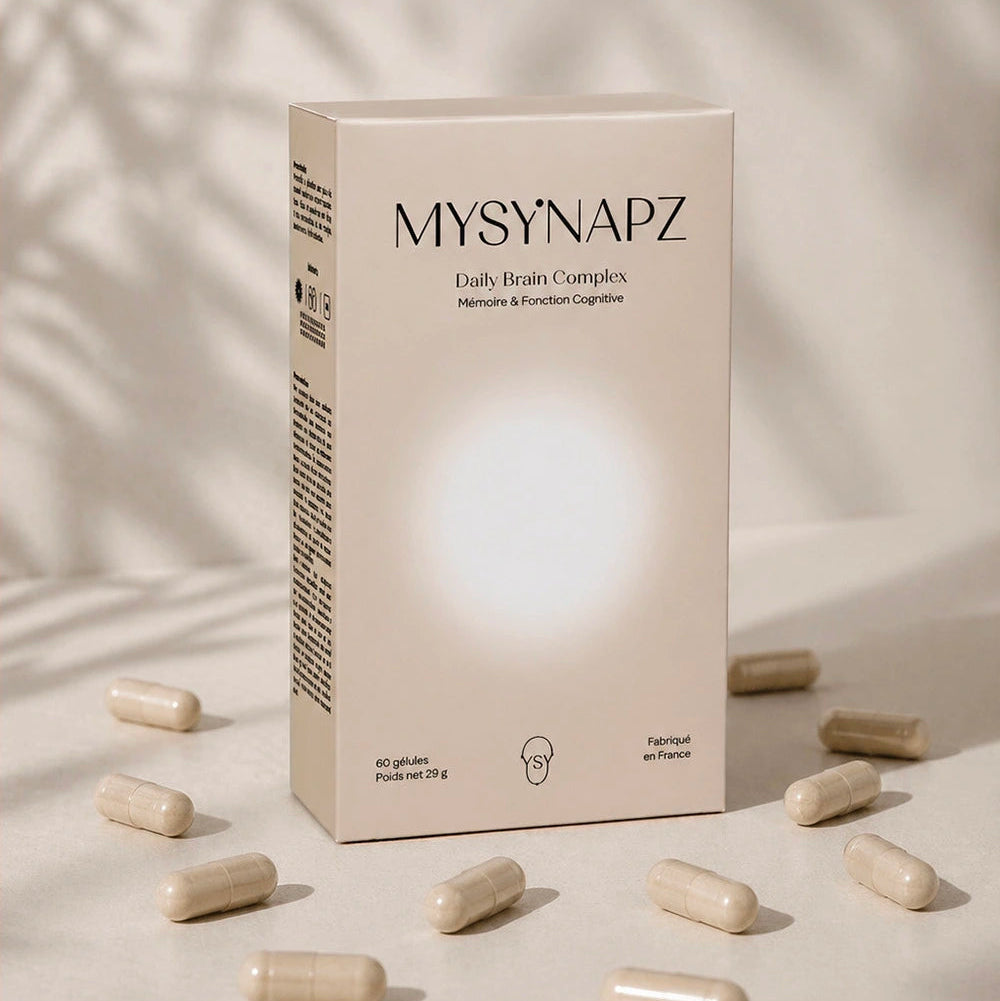
Yes. Deep Sleep is integrated into the MySynapz method, particularly with Daily Brain Complex for a morning/evening approach.
Absolutely. Deep Sleep is complementary support, not a substitute. Both work better together.
Rest is not decreed. It is prepared for, gradually, through consistent signals sent to the brain and body every evening.
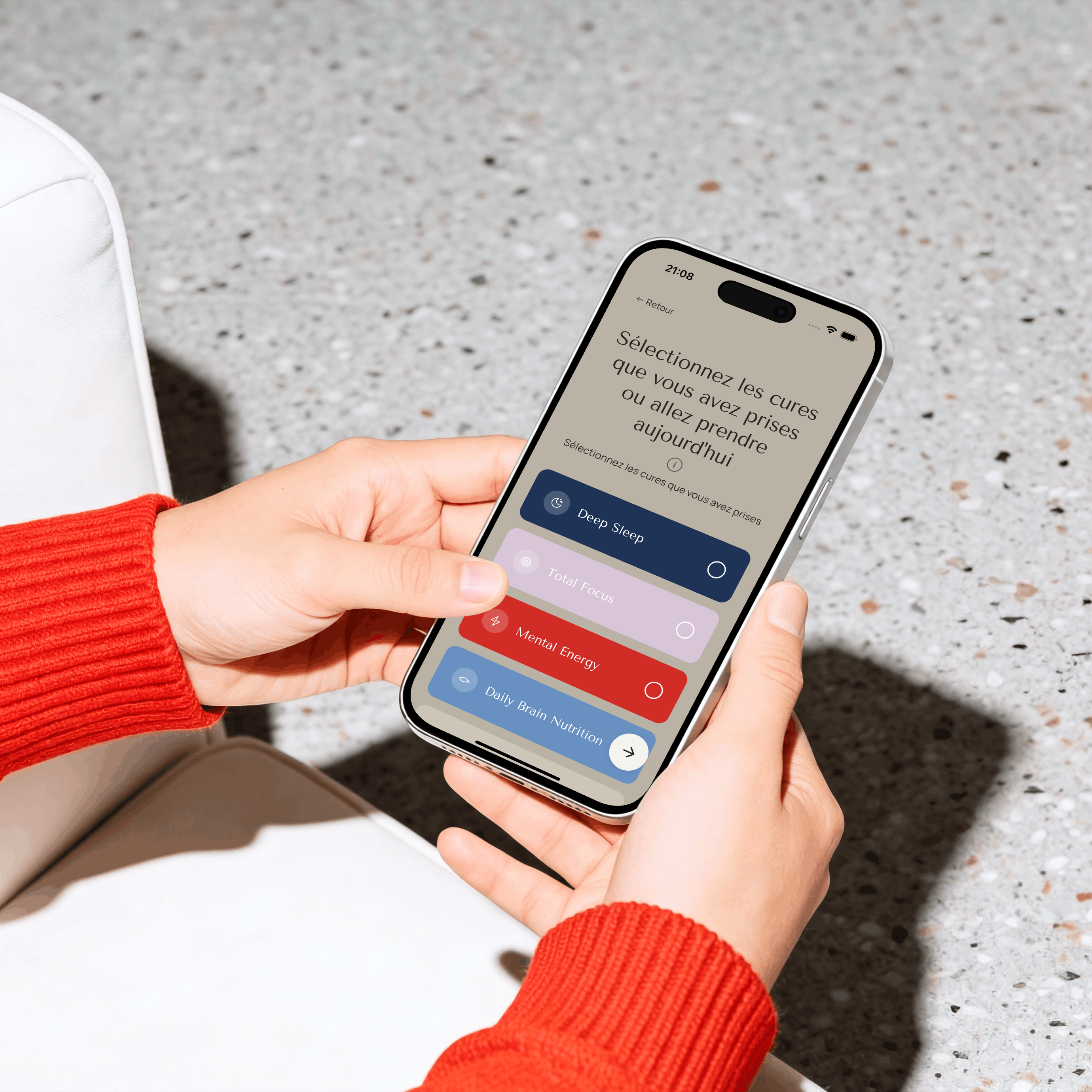
Start with your MySynapz diagnosis to identify your priority levers.
Scientific sources:
1. Walker M. Why We Sleep. Scribner, 2017.
2. Xie L et al. Sleep drives metabolite clearance from the adult brain. Science, 2013.
3. Langade D et al. Efficacy and Safety of Ashwagandha Root Extract in Insomnia and Anxiety. Medicine, 2019.
4. Bent S et al. Valerian for sleep: a systematic review and meta-analysis. American Journal of Medicine, 2006.
5. Abbasi B et al. The effect of magnesium supplementation on primary insomnia in elderly. Journal of Research in Medical Sciences, 2012.
6. Rolland A et al. Behavioural effects of the American traditional plant Eschscholzia californica. Phytotherapy Research, 2001.
Read more

Can't switch off your brain in the evening? It's not about willpower. Discover how to build an effective evening routine to aid rest and recovery.

Magnesium, melatonin, and plant-based active ingredients do not address the same needs. Here's how to differentiate them and why Deep Sleep combines several approaches rather than a single active i...

Discover your cognitive profile and receive personalized recommendations.
A structured approach to better understand the needs of your cognitive functioning and to take concrete action.
Targeted formulas, based on research
Each collection addresses a specific cognitive need (concentration, energy, sleep or emotional balance) by relying on documented ingredients and dosages consistent with available data.