





Neurotransmitters: roles, balance and nutrition
Neurotransmitters influence motivation, emotional stability, alertness, and recovery. Understanding their role and balance allows for a physiological and sustainable approach to brain health.
Neurotransmitters are at the heart of brain function. They ensure the transmission of information between neurons and determine our ability to think, act, adapt, recover, and maintain emotional stability. Dopamine, serotonin, GABA, and noradrenaline are biological molecules, continuously synthesized by the brain from specific nutrients, under strict metabolic conditions.
These neurotransmitters are often reduced to simplistic associations: dopamine = motivation, serotonin = happiness, GABA = relaxation. This view is incomplete and does not reflect the complexity of brain function, which requires a dynamic balance between complementary systems involving these brain messengers.
Understanding the true role of neurotransmitters, their synthesis, and the conditions necessary for their proper functioning allows for approaching mental and cognitive health from a physiological perspective, far from promises of quick stimulation.
Key Neurotransmitters and Their Functional Role
Dopamine is often presented as the pleasure neurotransmitter. In reality, its role is also linked to motivation, the anticipation of action, and engagement in effort. It is involved in reward circuits, but primarily in the ability to initiate goal-oriented behavior.
Functionally, dopamine is essential for:
- Decision-making
- Focused concentration
- Reinforcement learning
- Motor coordination
A dopaminergic deficit often manifests as a decrease in motivation, difficulty initiating action, or a feeling of mental fatigue. Conversely, excessive and repeated stimulation of the dopaminergic system can lead to receptor desensitization, reducing the overall effectiveness of the signal.
Serotonin plays a central role in mood regulation, anxiety, and emotional behavior. It is not the neurotransmitter of happiness, but of emotional stability and adaptation to context.
It also plays a role in:
- Sleep regulation
- Appetite
- Pain perception
- Stress balance
Most serotonin is produced in the gut, but its central action depends on its availability in the brain and the integrity of associated metabolic pathways. An imbalance in the serotonergic system can result in irritability, sleep disturbances, or excessive emotional sensitivity.
GABA (gamma-aminobutyric acid) is the brain's primary inhibitory neurotransmitter. It curbs neuronal excitation, prevents circuit overload, and promotes states of calm and recovery.
Functionally, GABA contributes to:
- Mental relaxation
- Sleep quality
- Nervous recovery
- Prevention of cerebral hyperexcitability
A GABA deficit is often associated with a state of tension, persistent nervousness, or difficulty "switching off." GABA does not stimulate the brain: it regulates it, making it a pillar of overall balance.
Noradrenaline is involved in vigilance, attention, and adaptation to environmental constraints. It plays a key role in the acute stress response by increasing cognitive availability and reactivity.
It is particularly involved in:
- Sustained attention
- Reactivity to a stimulus
- Adaptation to effort
- Management of punctual stress
Insufficient levels of noradrenaline can lead to a decrease in vigilance and reactivity, while chronic excess promotes a state of hyperactivation, often mistaken for performance but biologically costly.
These neurotransmitters are involved in brain function. To learn more about brain mechanisms, discover our dedicated article.
How are Neurotransmitters Synthesized?
While neurotransmitters are continuously synthesized from amino acids derived from our diet, they are not stored indefinitely.
Some key examples:
- Dopamine and noradrenaline are derived from tyrosine
- Serotonin is synthesized from tryptophan
- GABA comes from glutamate, via a specific enzyme
Without sufficient intake of these precursors, neurotransmitter production becomes limited, regardless of external stimulation.
The transformation of amino acids into neurotransmitters relies on complex enzymatic reactions. The enzymes involved require cofactors, primarily vitamins and minerals.
Among the most important are:
- B vitamins (B6, B9, B12)
- Magnesium, involved in nerve transmission
- Iron, necessary for dopaminergic enzymes
- Zinc, a modulator of synaptic activity
Insufficient micronutrient status can disrupt neurotransmission, even in the presence of adequate precursors.
Our nutritional intake determines our brain's resources and functioning. To learn all about the brain's nutrient needs, consult our dedicated article.
The synthesis, release, and reuptake of neurotransmitters are energy-intensive processes. The brain, despite representing about 2% of body weight, consumes nearly 20% of our total energy.
Insufficient energy availability (hypoglycemia, chronic energy deficiencies) directly impairs the brain's ability to maintain efficient and stable neurotransmission.
In addition to vitamins and minerals, the brain needs adequate intake of omega-3 EPA and DHA, which are essential for maintaining brain structure.
Neurotransmitter Balance: Why Stimulation is Not the Solution
Dopaminergic, serotonergic, GABAergic, and noradrenergic systems constantly interact. None function in isolation. Artificially increasing one neurotransmitter, without considering the others, can lead to counterproductive compensatory imbalances.
Repeated brain stimulation (excessive caffeine, hyperconnectivity, constant cognitive demands) intensely taxes the dopamine and noradrenaline circuits. In the short term, this can create an illusion of efficiency. In the medium term, it promotes:
- Receptor desensitization
- Nervous fatigue
- Loss of cognitive clarity
- Dependence on stimulation
The brain is not designed to operate in a constant state of alert.
Rather than seeking to artificially stimulate neurotransmitters, the most consistent approach is to support the biological conditions necessary for their production and regulation:
- Adequate protein and micronutrient intake
- Energy stability
- Good management of chronic stress
- Respect for recovery and sleep phases
This physiological approach, slower but sustainable, allows the brain to maintain functional balance essential for long-term cognitive, emotional, and adaptive performance.
Ultimately, neurotransmitters should not be seen as switches to be activated on demand, but as a direct reflection of the brain's overall ecology. Their production, release, and regulation depend on a finely interdependent set of biological parameters: amino acid availability, micronutrient status, energy level, stress load, and quality of recovery.
Seeking to isolate and increase dopamine, serotonin, GABA, or noradrenaline through stimulation or rapid compensation overlooks the brain's systemic functioning. In the short term, this approach can mask imbalances. In the medium and long term, it tends to amplify them by exhausting the adaptive capacities of neuronal networks.
Conversely, a functional and physiological approach is based on a key principle: the brain is not "boosted," it is supported. Creating favorable conditions for effective and stable neurotransmission allows the brain to fully express its capacities for attention, motivation, emotional regulation, and recovery, without entering into overactivation logic.
Understanding neurotransmitters, therefore, is not about seeking a miracle molecule, but recognizing that mental performance and emotional balance are above all the result of a respected, nourished, and regulated biological system over time.
Read more
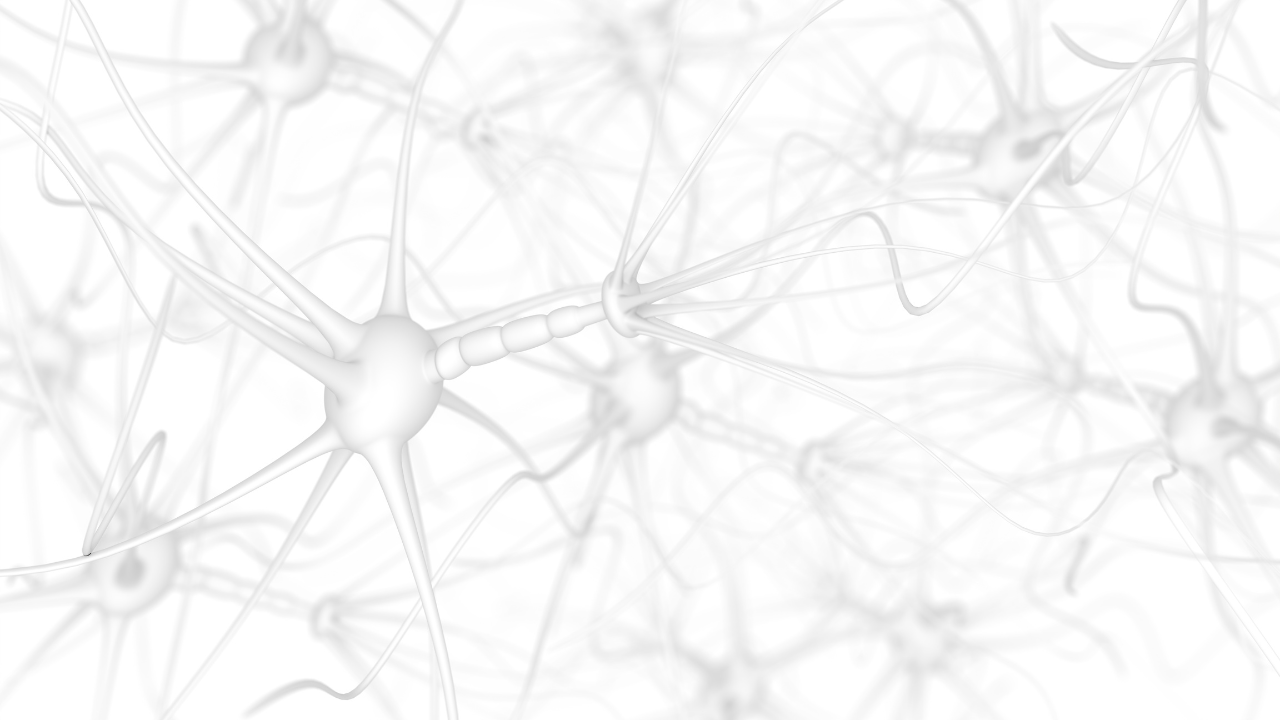
Neuroscience describes the daily functioning of the human brain. Understanding its mechanisms allows us to shed biological light on mental fatigue, cognitive overload, and mental well-being.

The brain constantly relies on our nutritional intake to function optimally. Functional brain nutrition is based on a precise balance between macronutrients and micronutrients essential for neurona...

Discover your cognitive profile and receive personalized recommendations.
A structured approach to better understand the needs of your cognitive functioning and to take concrete action.
Targeted formulas, based on research
Each collection addresses a specific cognitive need (concentration, energy, sleep or emotional balance) by relying on documented ingredients and dosages consistent with available data.