











Why it becomes harder to focus when everything speeds up
You open a document, start reading, then a notification or a new request makes you lose track. You want to progress, but attention feels hard to maintain.
To understand what is getting in the way, start with daily life: the pressure you feel, your sleep and working conditions. The aim is to find a first adjustment suited to your situation.
Stress and sleep: two things to examine
Stress can come with concentration difficulties, forgetfulness or feeling overwhelmed. This does not automatically explain every dip in attention, but it is worth considering.
Insufficient sleep can also make daily tasks and concentration harder. Observe how you feel during the day as well as your bedtimes and waking times.
Record one concrete situation: what task did you want to do, how did you feel and what interrupted your work? This observation describes your experience; it cannot establish a diagnosis.
Notice what makes you lose track
Ask three questions: is it difficult to start, stay on task or resume after an interruption? The change to try may differ depending on your answer.
For example, if starting is difficult, write the first action: “draft the three ideas for the outline” instead of “finish the file”. If you lose track after an interruption, leave a short note about the next step before responding.
These are organisational experiments to adapt, without any obligation to follow a single method.
Start with one simple adjustment
Instead of changing everything, choose a specific situation and try one adjustment:
- Define a small achievable step before starting.
- Prepare a short list for busy days.
- Set aside time for one task, then record what helped or interrupted your work.
Small goals and preparing for stressful days are among the suggestions from the National Health Service (NHS), the UK public health service. The organisational examples above put them into practice.
After a few attempts, ask whether the adjustment actually helps. If it adds pressure, change it. If difficulties persist or disrupt everyday life, seek professional advice.
Choose an approach suited to your needs
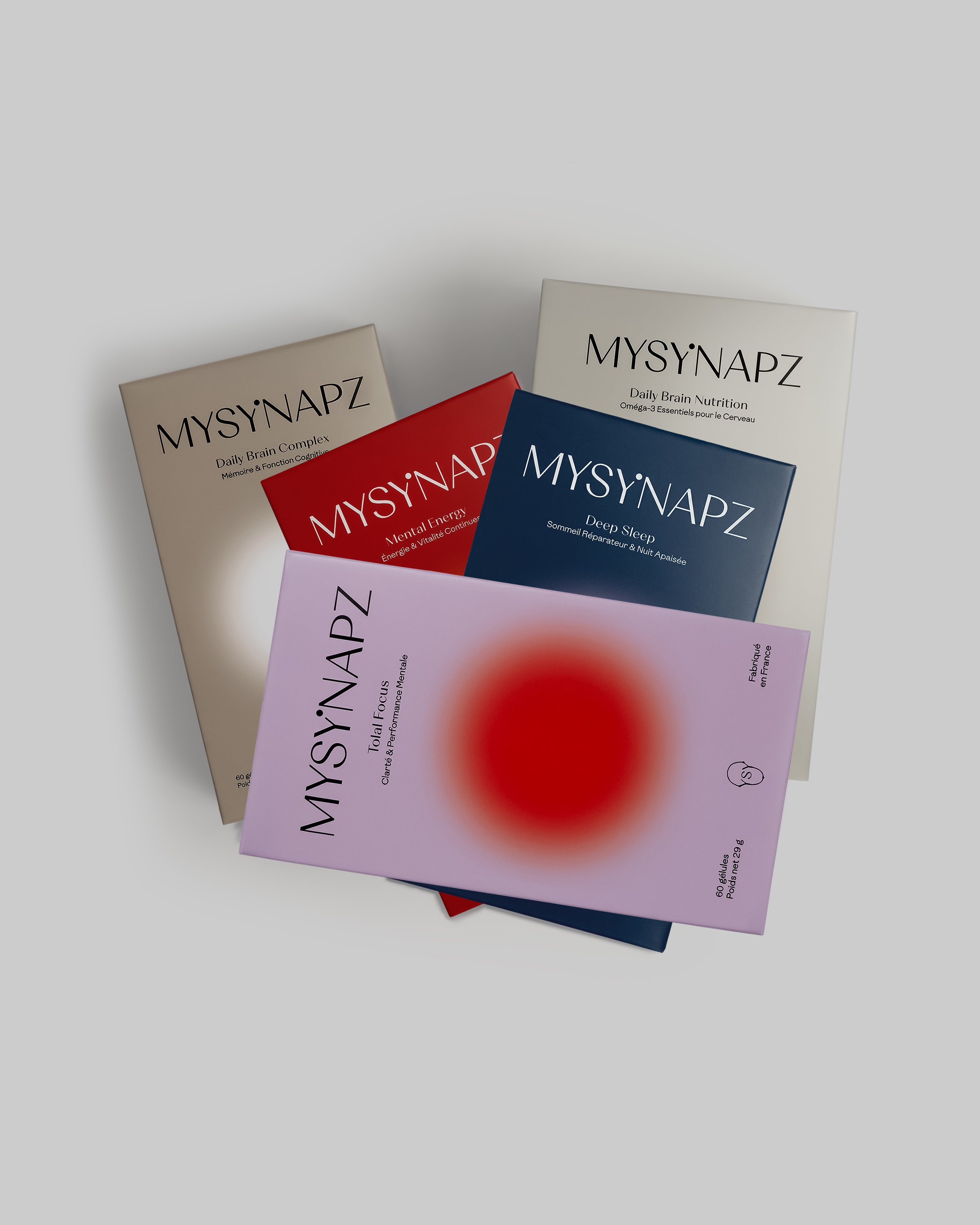
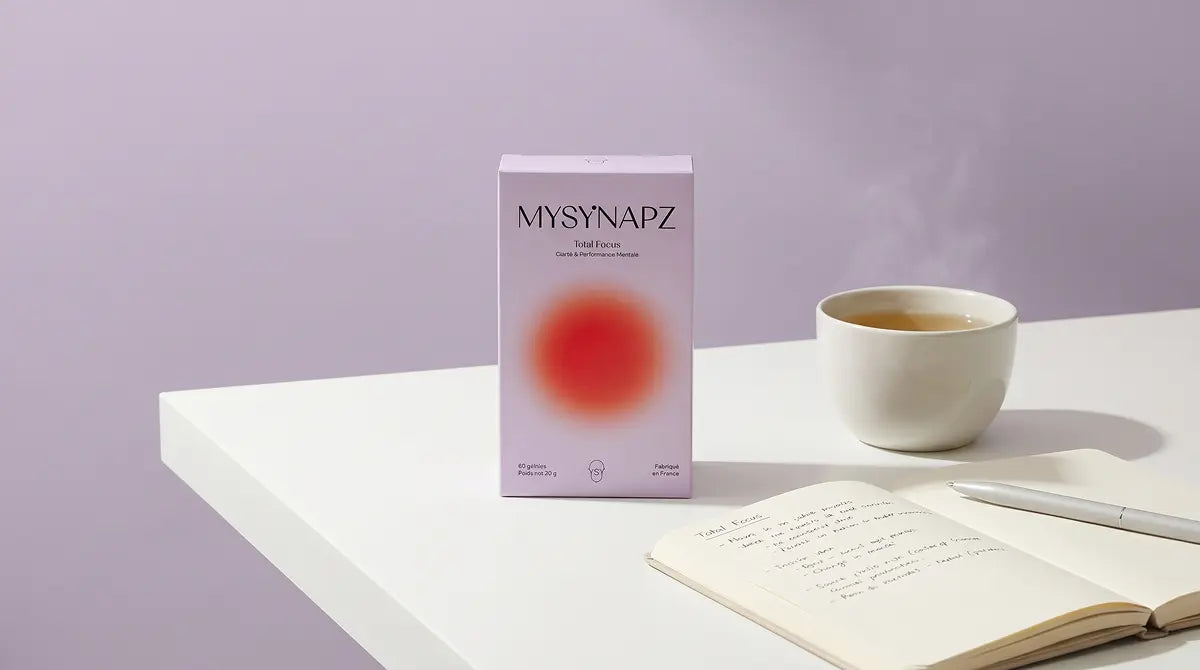
Looking for an option associated with work or mental demands? Find supplement courses, protocols and their ingredients on our Concentration & mental clarity page.
The “For you if…” sections help you compare options for your daily life. Take time to read directions and precautions on each product page too.
For a specific context, read our articles about ADHD in adults and neurodivergence and concentration. A concentration difficulty alone cannot identify a condition.
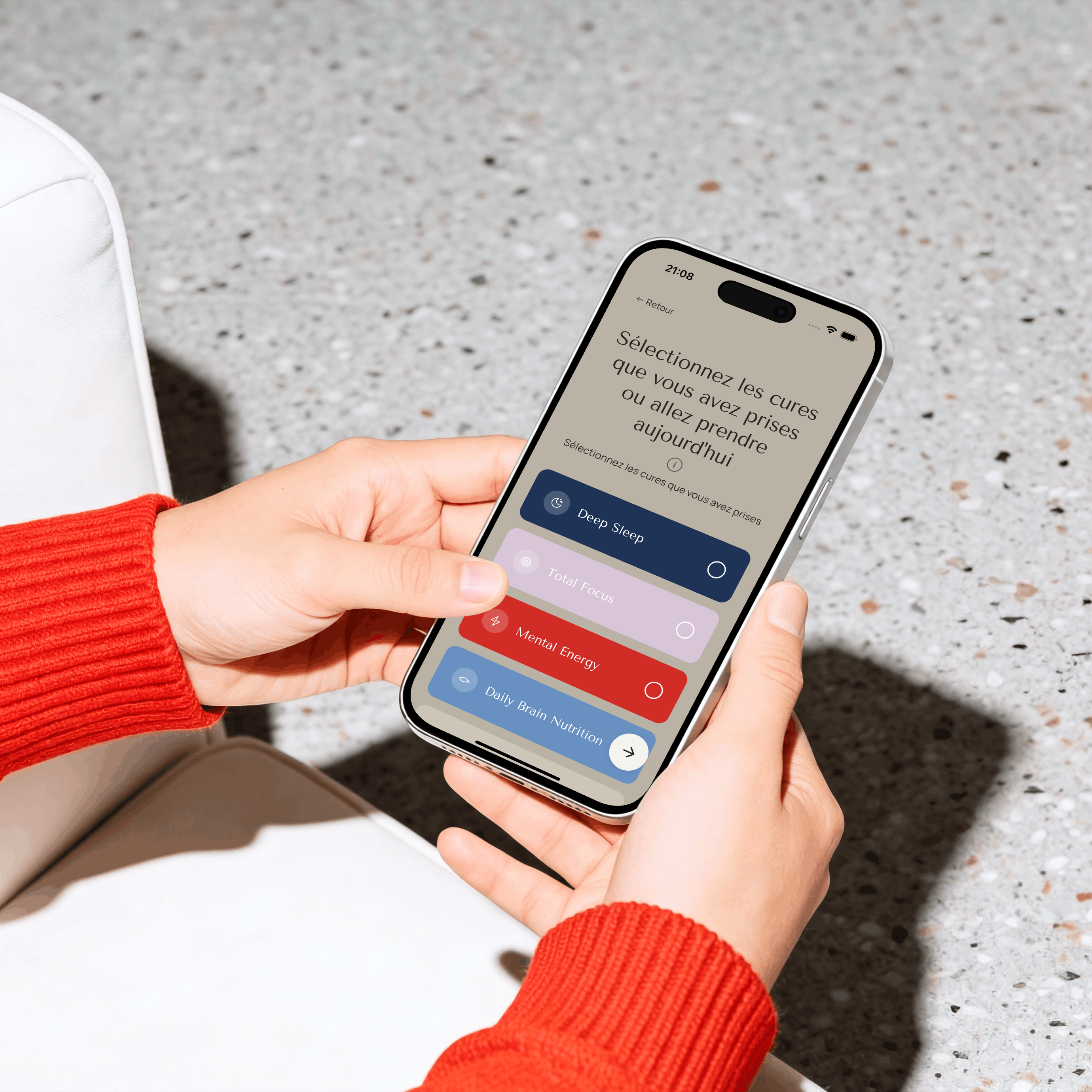
Not sure where to start? Take the MySynapz assessment to reflect on sleep, concentration and mental energy, and discover options associated with your answers. This questionnaire does not provide a medical diagnosis.
Sources
- National Health Service (NHS), UK public health service — Stress. Page reviewed on 6 March 2026.
- National Health Service (NHS) — Sleep problems, Every Mind Matters. Consulted on 2 October 2026.
Information intended for adults. Organisational examples are offered as practical ideas.
Read more

Fuzzy memory, reduced mental clarity, difficulty concentrating: after 40, cognitive needs change. This is not inevitable. Understanding what happens in the brain is the first step to taking action.

If your fatigue returns every day, it's probably not a lack of coffee. It's a fundamental mental energy that needs support. Here's how to choose.

Discover your cognitive profile and receive personalized recommendations.
A structured approach to better understand the needs of your cognitive functioning and to take concrete action.
Targeted formulas, based on research
Each collection addresses a specific cognitive need (concentration, energy, sleep or emotional balance) by relying on documented ingredients and dosages consistent with available data.