







What to take for the 3 PM slump?
Quick Answer
The 3 PM slump doesn't have a single cause, so there isn't a single solution.
It often corresponds to a natural dip in alertness in the early afternoon, which can be exacerbated by lack of sleep, a heavy lunch, insufficient hydration, or a demanding morning.
In the moment, start with the simplest levers: drink water, walk a few minutes, choose a balanced snack, or take a short nap when possible. Coffee can restore alertness, but if taken too late, it can also delay evening sleep.
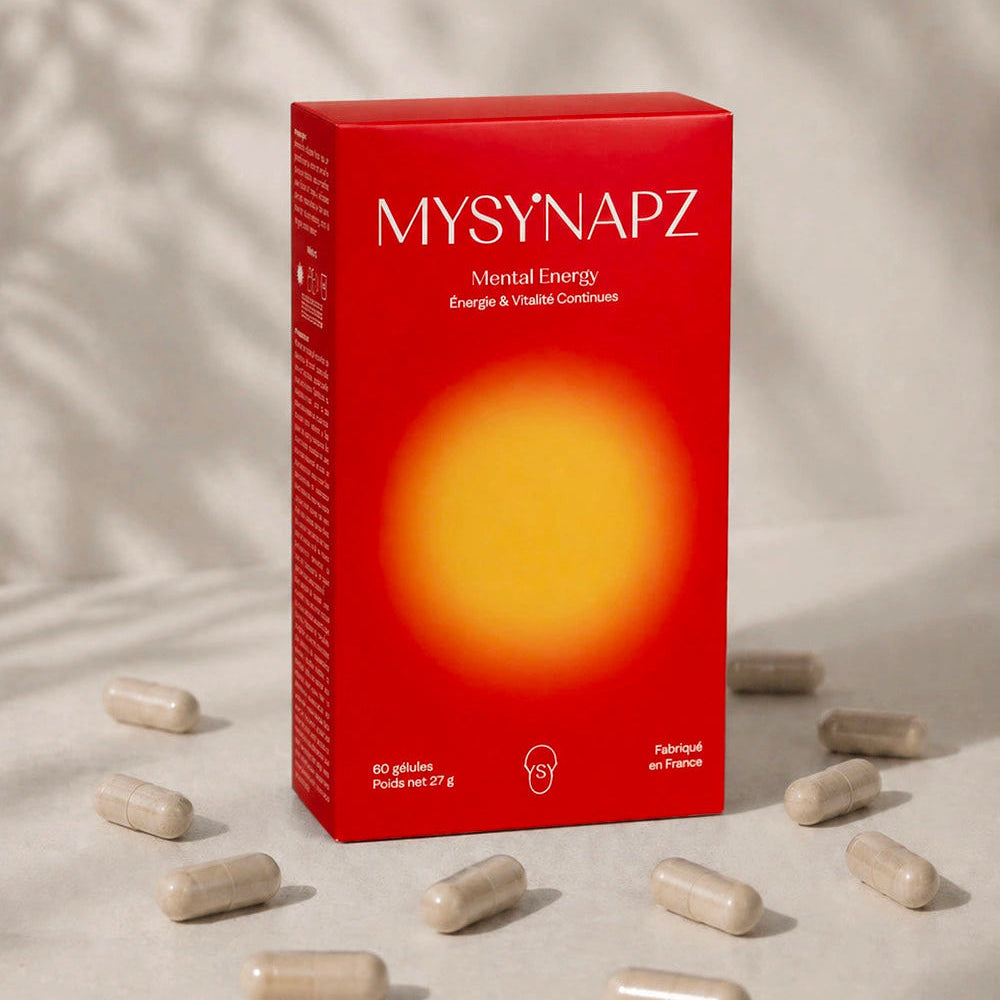
When this slump occurs almost daily, Mental Energy offers a different approach: supporting more consistent mental energy with adaptogens, B vitamins, and a low dose of natural caffeine.
Options, compared
| Option | Desired effect | Speed | Main limitation |
| Coffee | Temporarily increase alertness | Fast | May disrupt sleep if taken late |
| Highly sugary product | Quickly provide carbohydrates | Fast | Often unstable energy and low nutritional value |
| Balanced snack | Provide more consistent energy | Gradual | Requires planning an appropriate option |
| Walking or stretching | Reactivate alertness | Fast | Temporary effect |
| Water | Correct insufficient hydration | Variable | Useful especially when lack of water contributes to fatigue |
| Short nap | Reduce drowsiness and boost alertness | After waking | Requires time and an appropriate environment |
| Mental Energy | Sustain mental energy over time | Gradual | Does not replace an immediate one-time response |
Coffee: a quick fix, not a corrected cause
Coffee remains a quick fix when alertness drops. But it doesn't necessarily correct the cause of fatigue. Taken in the late afternoon, it can also delay falling asleep or degrade sleep in sensitive individuals.
Sugar: quick, but not a lasting solution
A highly sugary product quickly provides carbohydrates, but it is not always a lasting solution to afternoon fatigue. Taken alone, it is not very filling and can perpetuate the alternation between sugar cravings and perceived energy drops.
Balanced snack: slower, more stable
A snack that combines protein, fiber, and quality fats (for example, plain yogurt with nuts, or a fruit with a few almonds) offers more consistent energy than a highly sugary product. It simply requires having an appropriate option planned in advance.
Brief movement: underestimated
A few minutes of walking or stretching reactivate alertness without consuming anything. It's the most accessible option in the office, but the effect is temporary.
Hydration: a simple reflex to check
Insufficient hydration can increase feelings of fatigue and reduce alertness. It's a simple reflex to check, especially if you haven't drunk much since morning.
Short nap: useful, to be adapted according to profiles
A short nap of 10 to 20 minutes can reduce drowsiness and boost alertness, with less risk of grogginess upon waking than a longer nap. It should be adapted according to the time, fatigue, and individual sensitivity.
Why Mental Energy responds differently
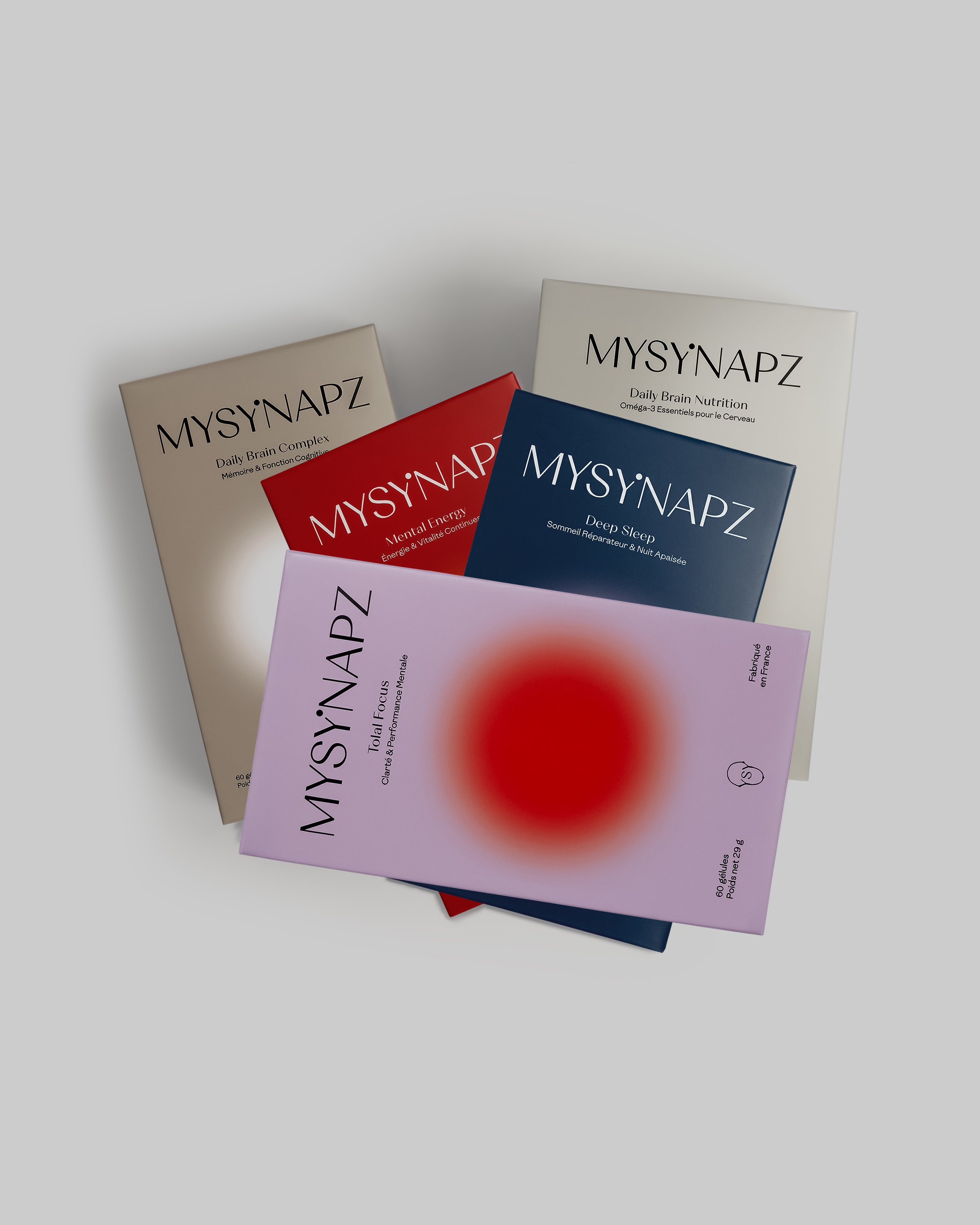
Mental Energy is not designed as an emergency solution for 3 PM. It is a course that combines more regular support for mental energy, through adaptogens (Rhodiola, Eleuthero, Cordyceps) and B vitamins, with a low dose of natural caffeine (Guarana).
The goal is not to create an additional peak, but to establish more consistent mental energy throughout the day.
Common mistakes
Coffee, sugar, and energy drinks taken together can multiply stimulations without creating truly more stable energy.
This is often the simplest cause to check and the most neglected.
The longer the nap, the greater the risk of waking up temporarily groggy. For a quick break, 10 to 20 minutes is a simple guideline.
Adaptogens are meant for regular intake. They don't work like a stimulant taken only when fatigue appears.
Mental Energy, MySynapz
Eleuthero · Rhodiola · Cordyceps · Guarana
B Vitamins · N-Acetyl L-Carnitine
Discover Mental EnergyFrequently Asked Questions
A dip in alertness can naturally occur in the early afternoon, even without lunch. It can be exacerbated by sleep quality, meal composition, lack of movement, insufficient hydration, or the cognitive load of the morning.
No. It can be useful for temporarily regaining alertness, but it doesn't always address what causes fatigue to return every afternoon. Taken too late in the day, it can also delay falling asleep or degrade sleep in sensitive individuals.
Between 10 and 20 minutes seems like a good guideline to limit the risk of grogginess upon waking. The ideal duration should be adapted according to your sensitivity and the time of the nap.
It is not intended for the same use. Mental Energy supports more consistent mental energy over time, rather than an immediate boost in alertness.
There isn't one single good answer to the 3 PM slump, but several levers to combine depending on your situation: hydration, movement, balanced snack, a short nap if time permits, and fundamental support for mental energy if slumps occur frequently.
Start with the MySynapz diagnostic to identify whether afternoon fatigue comes from a temporary lack or mental energy that needs sustained support.
Sources:
1. Monk TH. The post-lunch dip in performance. Clin Sports Med, 2005.
2. EFSA. Caffeine: EFSA estimates safe intakes, 2015.
3. European Commission. Register of authorized health claims concerning B vitamins present in Mental Energy.
4. Brooks A, Lack L. A brief afternoon nap following nocturnal sleep restriction. Sleep, 2006.
5. Dutheil F et al. Effects of a short daytime nap on the cognitive performance: a systematic review and meta-analysis. Int J Environ Res Public Health, 2021.
6. Leong RLF et al. Influence of mid-afternoon nap duration and sleep parameters on memory encoding, mood, processing speed and vigilance. Sleep, 2023.
7. Adan A, Serra-Grabulosa JM. Effects of caffeine and glucose, alone and combined, on cognitive performance. Hum Psychopharmacol, 2010.
Read more

Coffee kickstarts. Adaptogens sustain. These aren't the same mechanisms, not the same effects, not the same logic. Here's why that changes everything for your mental energy.

Deadline in two hours and you can't focus? It's not a lack of willpower. It's a biological response. Here's what happens in the brain under pressure.

Discover your cognitive profile and receive personalized recommendations.
A structured approach to better understand the needs of your cognitive functioning and to take concrete action.
Targeted formulas, based on research
Each collection addresses a specific cognitive need (concentration, energy, sleep or emotional balance) by relying on documented ingredients and dosages consistent with available data.